
Points & Miles Strategy
Why Business Credit Cards Can Help You Earn More Travel Points
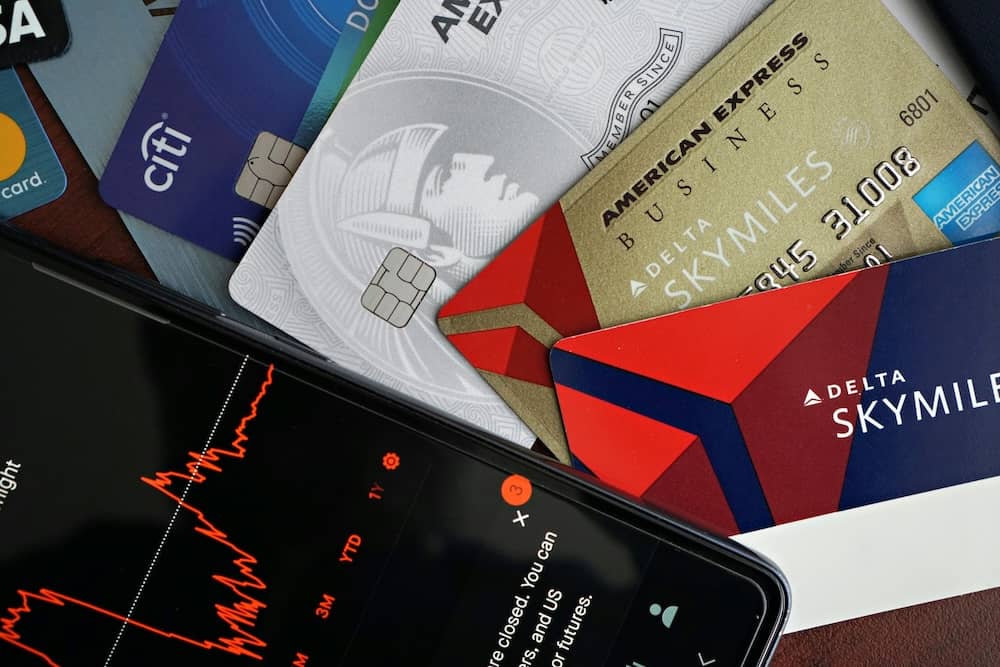
When people first get into points and miles, most focus only on personal credit cards. Business credit cards can actually be one of the best ways to earn points faster, thanks to some excellent welcome offers.
A lot of people immediately assume they would not qualify for a business credit card. In reality, many everyday side hustles and small income streams may qualify as a business activity.
What Counts as a Business?
You do not need a large company, storefront, or full-time business to apply for a business credit card.
Many side hustles may count as a qualifying business activity, including babysitting or pet sitting, selling items on Facebook Marketplace or eBay, freelance work, consulting, rental properties, photography, tutoring, home baking, selling products online, and content creation or social media work. Even a small amount of side income can potentially qualify as a business.
Sometimes people overlook the things they already do that generate income outside of their regular job.

Why Banks Offer Business Credit Cards
Many people feel intimidated by business credit cards because they assume they are only designed for large companies. In reality, banks want small business owners, freelancers, and side hustlers using their cards for everyday expenses.
Business owners often spend money on things like shipping, advertising, office supplies, software, inventory, travel, and internet and phone bills. Because of that, banks compete heavily for business customers by offering strong welcome bonuses and rewards programs.
That is one reason some business credit card offers can be even higher than personal card offers.
Why Business Cards Are Valuable
Business credit cards often come with strong welcome bonuses, which can help you build your points balance much faster.
- No annual fee options available for beginners
- Bonus earning categories for common business expenses
- Employee cards to maximize spending across your household
- Intro APR offers on purchases and balance transfers
- Higher welcome offers than comparable personal cards
If you are newer to points and miles, starting with a no annual fee business card can be a great option. It gives you the opportunity to learn how business cards work without adding another annual fee.
Premium business cards can also offer excellent value for people with regular business expenses. Expenses like inventory, shipping, advertising, software, or supplies can turn into valuable travel rewards when used strategically.
My Personal Experience
“I personally have a small skincare business that allows me to qualify for business credit cards. It is not my primary source of income, but it has helped me earn some amazing travel rewards over the years.”— Abby
That experience is one of the reasons I encourage people not to immediately assume they do not qualify. Think about ways you can earn a small income on the side, and have fun with it!
My Recommended Beginner Strategy
For beginners, I usually recommend starting with the Chase Sapphire Preferred as a personal card first. After that, one of the Chase Ink business cards can be a great next step for people who qualify for a business card.
One thing that confuses many beginners is that some Chase Ink cards are marketed as “cash back” cards. Those rewards can actually become transferable travel points if you also have a Chase Sapphire card. When you combine your points into one account, you unlock access to valuable transfer partners like Hyatt, United, and Southwest.
For example, you might see an offer like this:
Those 75,000 points can be combined with your Chase Sapphire account and transferred to travel partners for potentially even more value. Depending on how you redeem them, those points could help cover flights, hotel stays, or even an entire family vacation.

Application Tips for Beginners
Applying for a business credit card can feel intimidating the first time, especially if your business is small or just starting out. Keeping a few things in mind can make the process feel much simpler.
Keep Your Information Honest
Always provide honest information on your application, including your estimated business income, your personal income, your monthly housing payment, and your business activity. Many small businesses do not earn huge amounts of money, especially in the beginning, and that is completely normal.
Start Small
If you are newer to points and miles, it can help to start with cards that have lower minimum spending requirements and no annual fee. That makes it easier to comfortably earn the welcome bonus without overspending.
Make Sure the Spending Requirement Fits Your Budget
One of the biggest mistakes beginners make is applying for a card with a spending requirement that does not match their normal expenses. A welcome offer is only valuable if you can earn it responsibly.
Apply Strategically
Spacing out applications and starting with beginner-friendly cards can improve your overall experience. I always recommend at least 30–90 days in between applications. I usually recommend starting with a strong personal travel card first, like the Chase Sapphire Preferred, before moving into business cards.
Common Questions About Business Credit Cards
Do I Need an LLC to Apply?
No. Many people apply for business credit cards as a sole proprietor, which simply means you are operating a small business or side hustle under your own name. Many applicants use their own legal name as the business name and their Social Security Number instead of an EIN. You do not need a large company or formal business setup to potentially qualify.
What If My Business Is Very Small?
Small businesses are extremely common when it comes to business credit card applications. Many people apply with part-time side hustles, freelance income, small online sales, occasional consulting work, or content creation income. Your business does not need to be your full-time job.
Do Business Credit Cards Affect Your Credit?
Yes, applying for a business credit card can affect your credit, since banks may check your personal credit during the application process. That is one reason why responsible use is important. Paying balances on time and keeping spending manageable should always come before earning points.
Important Things to Remember
Business credit cards are still credit cards. Pay balances in full each month, avoid overspending just to earn points, apply strategically, and always make sure the minimum spending requirement fits your normal budget. Points and miles work best when they support your existing spending habits — not when they encourage extra spending.
Final Thoughts
Business credit cards can be an excellent way to earn travel rewards faster. For many families, the biggest surprise is realizing they may already qualify because of a side hustle or small business activity they already have.
If you already earn income outside of a traditional job, business credit cards may be worth exploring as part of your points and miles strategy.